
Imagine handing over a massive crane, a sleek yacht, or even a humble toothbrush. Weeks later, it reappears as a perfect scale model, ready to stun at a trade show. Scale models do just that, they shrink giants or blow up the small stuff into something you can touch and show off.
These models aren’t toys. They’re vital tools for industries like aviation, marine, and manufacturing. Designers use them to test ideas, engineers to spot flaws early, and marketers to grab attention at exhibitions. A 1:50 airliner fuselage lets airlines pitch new routes. A giant toothpaste tube draws crowds at a consumer fair. In short, scale models bridge the gap between drawings and reality.
Back in the day, model makers carved by hand, measuring every curve with rulers and calipers. Today, in 2026, it’s a different story. Cutting-edge tools like 3D laser scanning capture every detail in minutes. CNC machines and 3D printers do the heavy lifting. Yet skilled hands still add the finishing touches, paint, texture, and realism that fool the eye.
This post takes you through it all. First, the full process from scan to showcase. Then, the main types of models and how industries put them to work, with practical examples. Whether you’re planning a project or simply curious, discover how virtually anything can become a stunning scale model. No limits, just precision and possibility.
The Complete Scale Modelling Process
Turning a real-world object into a precise scale model follows a proven workflow that blends digital precision with hands-on skill. Whether it’s an aircraft fuselage, a superyacht hull, or industrial machinery, the process ensures every curve and detail translates perfectly at any scale.
Here’s how it unfolds, step by step, using modern techniques like 3D scanning that have revolutionised the craft since the early 2000s.
1. Data Capture: Scanning the Original
Everything starts with digitising the subject. 3D laser scanning leads the way, using handheld or tripod-mounted devices to capture millions of surface points in minutes. A scanner sweeps over a helicopter rotor or crane arm, creating a “point cloud” with accuracy down to 0.01mm, far beyond manual calipers. Photogrammetry offers a budget alternative: take hundreds of photos from all angles with a DSLR or smartphone app, then stitch them into a 3D mesh via software like RealityCapture.
No physical object? No problem. Begin with sketches, photos, or blueprints. Pull from online CAD libraries (e.g., GrabCAD) or commission concept art. This step sets the foundation, ensuring no detail gets lost in scaling.
2. Processing and CAD Design
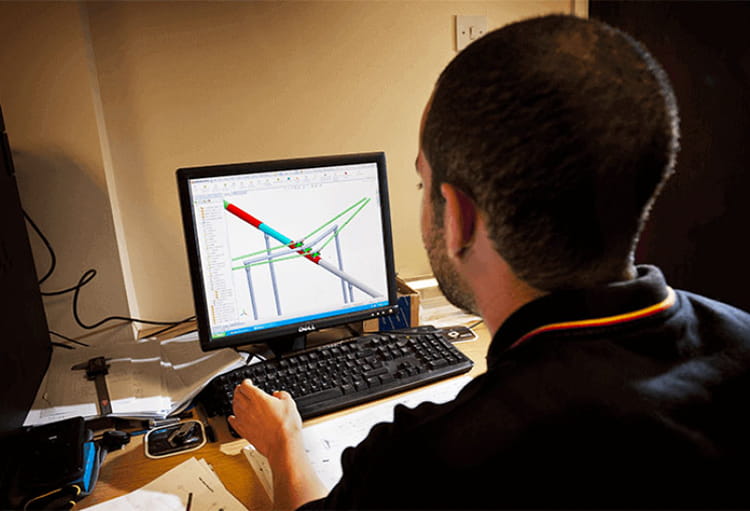
Raw scan data heads to CAD software like SolidWorks or Fusion 360. Engineers clean the point cloud, filling gaps and smoothing noise. Convert it to a solid 3D model ready for editing. Here, scaling magic happens: Shrink a 100-metre tanker to 1:50 (2 metres long) or upscale a toothbrush to giant demo size. Add features, cutaways to reveal internals, moving parts for animations, or labels for training aids.
Verify proportions with real measurements or client specs. Simulate stress tests digitally to predict weak spots. This phase typically takes days, not weeks, thanks to powerful computing.
3. Fabrication: From Digital to Physical
With CAD approved, manufacturing kicks in. 5-axis CNC milling carves high-strength foam, aluminium, or wood for durable cores, ideal for large architectural models or vehicle chassis. 3D printing shines for complexity: SLA printers deliver mirror-smooth resin parts for fine details like cockpit gauges; FDM handles bulk structures affordably. Vacuum forming stretches plastic sheets over moulds for thin skins, while resin casting or RIM moulding suits production runs.
For oversized models, software like Delcam splits designs into manageable sections that bolt together seamlessly. Metalwork adds frames for stability. Expect tolerances under 0.1mm on pro machines.
4. Finishing: Adding Lifelike Realism
Raw parts get transformed. Hand-painting with airbrushes builds layers, metallic sheens for aircraft, weathered rust for industrial gear, or glossy varnish for yachts. Plating (chrome, gold) mimics factory finishes; anodising protects aluminium. Skilled artisans texture surfaces: stipple for concrete, engrave panels, or flock for fabrics.
Decals, LEDs for lighting effects, or custom weathering complete the look. Test under exhibition lights to match colours perfectly.
5. Assembly, Testing, and Delivery
Final assembly joins components with adhesives, screws, or magnets. Animate where needed, gears turn, rotors spin, powered by quiet motors. Rigorous testing follows: Does it withstand handling? Survive transport? Float in water for marine demos? Functional models get load/stress checks.
Pack securely for shipping. Clients receive a turnkey piece ready for trade shows, boardrooms, or museums. The full cycle? Often 4-8 weeks, blending tech speed with artisan quality.
This process scales to any project size, making the impossible into routine. From hobby benches to pro workshops, it’s accessible yet powerful.
Scale Model Types and Industry Applications
Scale models come in various types, each tailored to specific needs like display, testing, or training. While types define the build style, static, functional, or oversized, industries apply them to solve real problems, from design reviews to marketing stuns. This section explores key types with their features, then shows how sectors like aviation and architecture put them to work. Examples draw from common practices, blending high-tech fabrication with craftsmanship for stunning results.
Core model types:
Aviation: Precision at 30,000 Feet
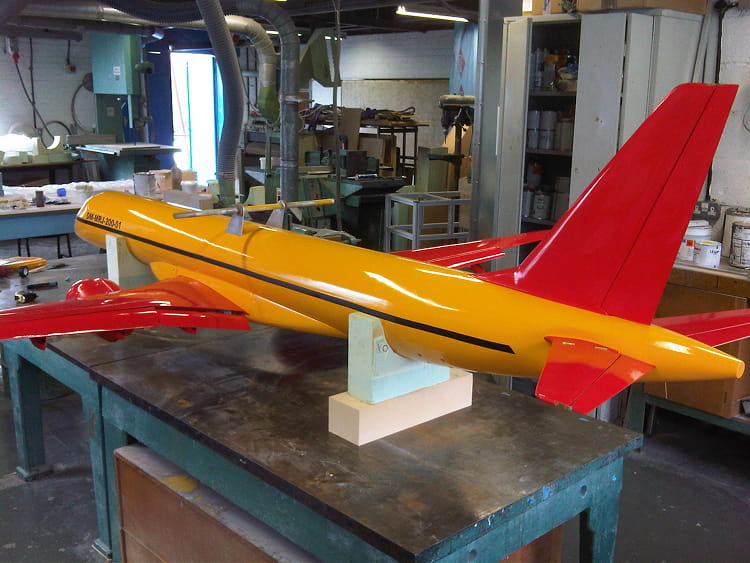
Aircraft models dominate aviation for bids, safety training, and wind tunnel tests. Static display models (1:50 airliners) let airlines showcase new fleets at investor meetings, with every rivet and window decal spot-on. Prototypes and sectional cutaways reveal jet engines or rotor blades, scanned from real parts for training simulators. Engineers test aerodynamics in tunnels, spotting flaws before full builds. Flotation models for helicopters prove buoyancy designs. These help secure multimillion-pound contracts.
Marine: Hulls to High Seas
Yachts, ships, and submarines demand watertight replicas. Functional prototypes (1:40 hulls) undergo tank tests for stability, often animated with working rudders. Static displays of supertanker bridges wow shipyard pitches, while cutaways expose electrical systems in process plants. Concept models from clay scans speed designer iterations. Marine firms use them for client approvals, cutting steel costs early.
Industrial and Manufacturing: Big Machines, Small Scale
Heavy gear like cranes or substations shines in large sculptures or sectionals. A 1:10 electrical plant cutaway trains operators on wiring, LEDs light up circuits. Prototypes demo factory robots at trade shows, upscaled for impact. Oversized versions (giant cranes) draw booth crowds. Manufacturers validate designs, reducing prototype waste.
Architecture and Planning: Cities in Miniature
Architectural models (1:200 cityscapes) include LED-lit buildings, fibre optic landscapes, and removable roofs. Planners pitch urban developments to councils; LED streetlights simulate night views. Modular designs allow tweaks mid-presentation. These win planning permission by making abstract blueprints tangible.
Marketing, Exhibitions, and Consumer Goods
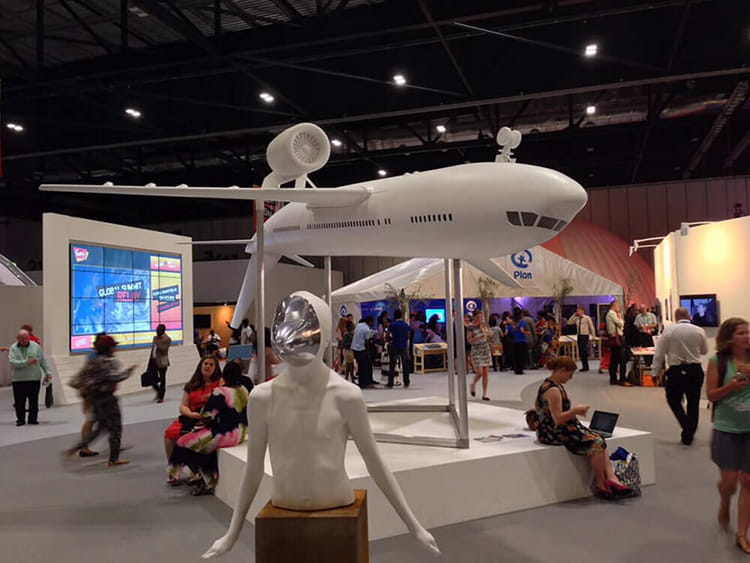
Eye-catchers rule here. Static displays like giant toothbrushes or toothpaste tubes dominate fairs, vacuum-formed skins over foam cores. Animated models spin product features for ads. Agencies create bespoke replicas to launch appliances, boosting sales through wow factor. Museums use interactive cutaways for public engagement.
Vehicles and Automotive: From Cabs to Concepts
Truck cabs or electric vehicle batteries get sectional prototypes for endurance tests. Display models (1:24 scale) grace auto shows, with chrome plating mimicking production. Animated suspensions demo safety. Carmakers preview concepts without full tooling.
Emerging Uses: Museums, Film, and Beyond
Museums favour functional displays, interactive engines for kids. Film props scale sets affordably. Defence tests armoured vehicles; renewables model wind turbines. Each industry tweaks the type: add motors for training, weatherproofing for outdoors.
Match type to goal. Budget static for shows (£1k-10k); invest in functional for R&D (£5k+). Hybrid types (e.g., animated architectural) combine best of both. In 2026, 3D printing lowers entry barriers, but pros blend it with hand-finishing for realism that captivates experts.
This versatility explains scale models’ enduring appeal. They inform, persuade, and inspire across sectors, no idea stays on paper.
Future Trends and Developments in Scale Modelling
Scale modelling evolves fast in 2026, blending old-school craft with tomorrow’s tech. AI-assisted scanning now predicts gaps in point clouds, slashing processing time by 40%. Handheld scanners pack lidar and photogrammetry into one unit, making field captures routine, even on yachts at sea. Hybrid materials like carbon fibre composites yield lighter, tougher models for wind tunnels or outdoor displays.
Large-format 3D printers (1m+ build volumes) handle full-scale prototypes in-house, cutting costs for industries like automotive. Sustainability rises too: Recycled resins and bio-based foams match virgin plastics’ strength. Functional models gain embedded sensors, IoT chips track stress in real-time during tests, feeding data back to CAD.
Expect modular designs to boom. Snap-together sections let clients reconfigure on-site, perfect for evolving trade show booths. Virtual twins pair physical models with AR overlays, scan a 1:50 airliner, view engine specs via phone.
Our best tips for getting started with scale modelling:
- Start small: FDM printers (£300) test concepts before pro scanning.
- Hybrid approach: Scan for base accuracy, hand-detail for “feel” that fools experts.
- Budget wisely: Static displays cost £1k-5k; animated prototypes hit £10k+.
- Source wisely: Free CAD libraries like GrabCAD fill gaps; outsource finishing for realism.
These shifts make scale models more accessible. Hobbyists grab £100 scanners; pros deliver £100k exhibition pieces. The blend of tech and touch keeps them unbeatable for hands-on impact.
Why Scale Models Still Matter in 2026
Scale models outshine digital renders for real impact. In a VR and AI world, nothing beats a physical piece you can touch. Trade show visitors handle a 1:50 jet longer than they view screens, engagement jumps 70%. Engineers feel flaws; clients sign deals by a cutaway crane. Costs drop too. Scanning cuts prototype bills by 80%, avoiding huge risks. Tough sculptures beat screens outdoors. Motorised models give safe, repeatable training on 1:10 plants.
Hands-on wins for learning. Sectional engines trace wires better than videos. Museums pull crowds with interactives; architects gain nods via LED-lit cities. Marketing loves giant replicas for social buzz. Green materials now match top quality. Pair models with AR for best results. From boardrooms to booths, they persuade by feeling real, turning “what if” into “here it is”.
Ready to turn your idea into a scale model? Whether it’s a concept yacht, industrial plant, or marketing gimmick, the process outlined here makes it straightforward. Start with a consultation, discuss your object, scale, and goals. Pros handle scanning to showcase, often in 4-6 weeks.
Find expert model makers through industry directories or local engineering networks. Budget for quality: Entry-level statics suit small firms; invest in functional for high-stakes bids. Need inspiration? Check aviation expos or architectural shows for live demos.
Got a tricky project? Share sketches or specs today. Scale models don’t just visualise, they close deals, train teams, and spark innovation. From crane to cutaway, anything’s possible. Get in touch and make your vision tangible.